
Dr Adam Rutherford
Himself - Presenter
TV SERIES
Dr Adam Rutherford investigates the close relationship between discoveries in anatomy and the works of art that illustrate them.
Himself - Presenter

1987Series

2006Series

2000Series

2005Series

1983Series

1994Series

2023Series

2021Series

2016Series

2020Series

2009Series

2019Series
 01
01Adam Rutherford begins his series by looking at the work of the 2nd century Roman anatomist Claudius Galen and the artist and part-time dissector Leonardo da Vinci.
 02
02In 1537, the 23-year-old Andreas Vesalius became the most famous anatomist in Europe. He went on to produce the first complete account of the human body and how to dissect it, his drawings setting the gold standard for anatomical art for centuries to come and earning him the title of 'the founder of modern anatomy'. Adam Rutherford tells his story.
 03
03In the 17th century in Holland, anatomy became the cutting edge of medical science, inspiring the great artists of the age like Rembrandt to produce the most beautiful anatomical paintings yet created. Adam Rutherford travels to the Hague and Amsterdam to find out what it was that drew Rembrandt to anatomy and why dissecting bodies was thought a suitable subject for high art.
 04
04Dr Adam Rutherford investigates the story of the Hunter brothers, the celebrated anatomists who controversially transformed both medicine and art in 18th-century Britain. Their belief that their students could only learn anatomy by carrying out dissections created an unprecedented demand for dead bodies and a market for the growing trade of body-snatching from graveyards.
 05
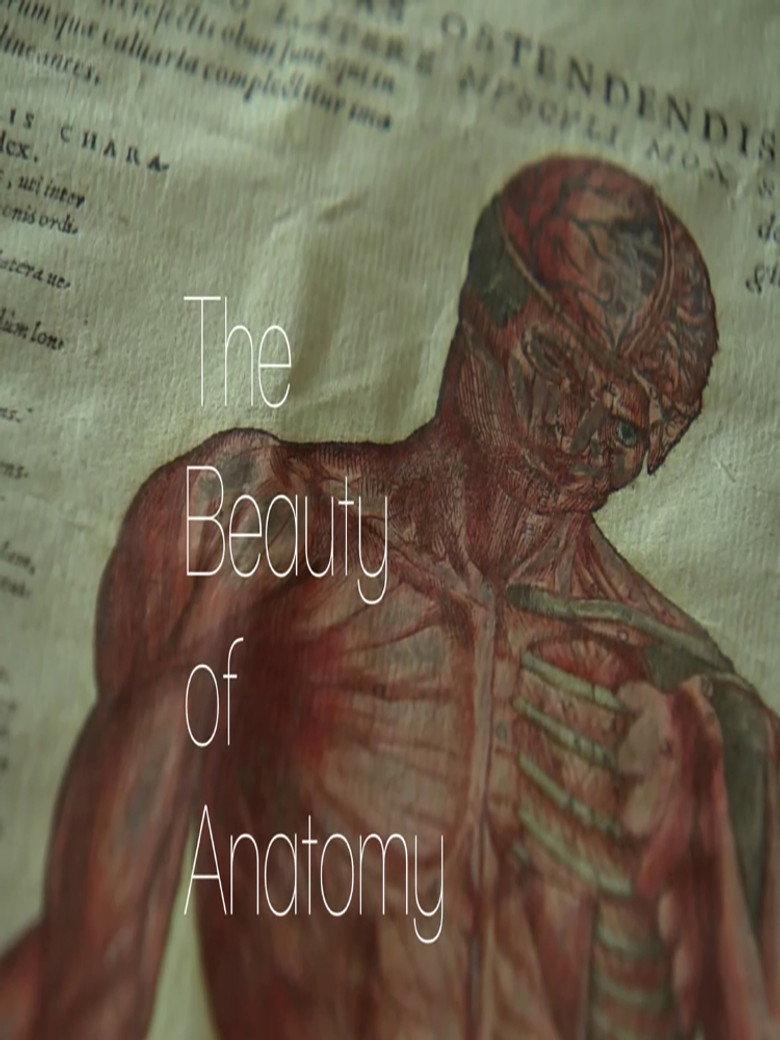
05The world's most famous study of the human body is Gray's Anatomy. The accuracy of the descriptions and the stark beauty of the illustrations made it an instant bestseller. Adam Rutherford tells the story of how, in just three years, Dr Henry Gray and Dr Henry Carter put it together based on dissections they personally performed.