
Felipe Pigna
Narrator

TV SERIES
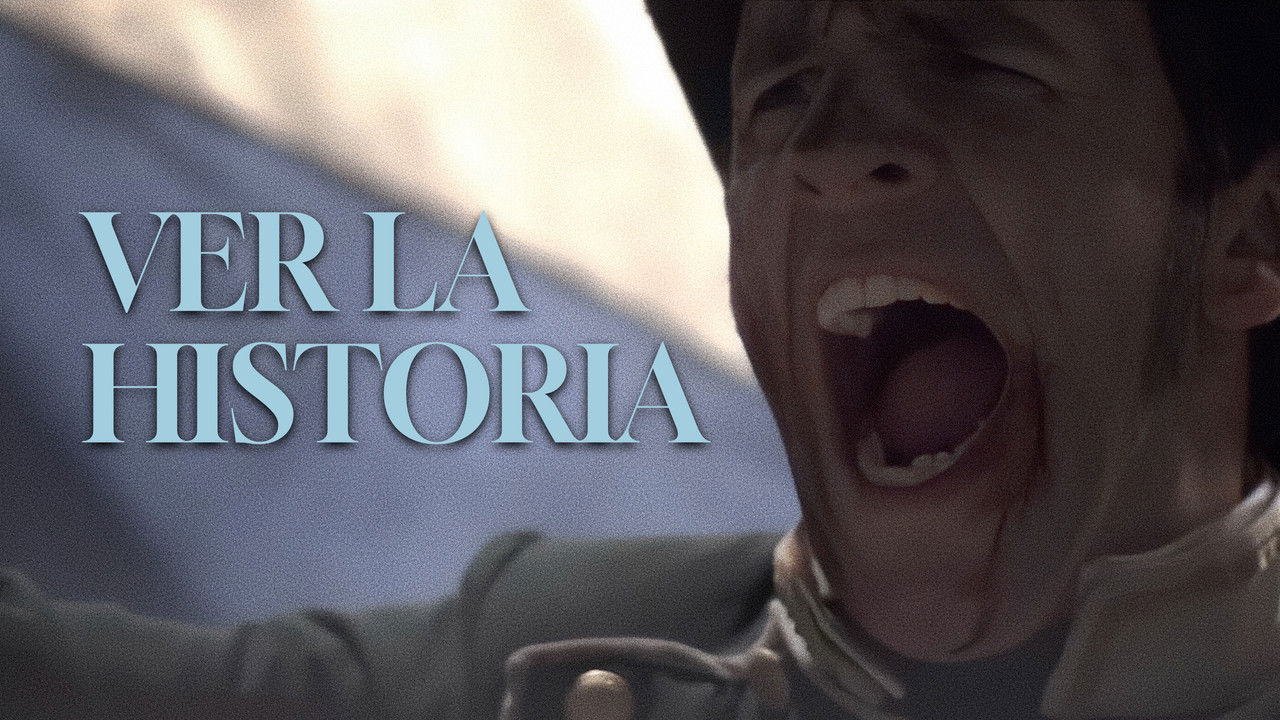
Two hundred years of Argentine history (1806–2006), told through major socio-political events that shaped the nation. Narrated by Felipe Pigna and built from recorded and archival footage, reenactments, graphics, and animation.
Narrator
Luz Lopez Mañe (Director) • Maite Echave (Director)

2021Series

2009Series

2009Series

2007Series

2025Series

1990Series

2018Series


2026Series

1973Series

2017Series
01Argentina’s story begins with the people uniting against the British invasions and ends with the outbreak of civil war. Between them, the May Revolution launches the struggle to end Spanish rule in the Río de la Plata and organize a new nation.
02Internal conflict plunges the country into anarchy as conservatives and liberals, landowners and merchants, and federalists and centralists struggle to impose competing models for the emerging nation.
03With the country again on the brink of civil war, the assassination of federal caudillo Facundo Quiroga reignites old conflicts among the provinces. Juan Manuel de Rosas comes to dominate a period still struggling to achieve national organization.
04The period begins with a president governing from Entre Ríos and ends with the conflict that establishes Buenos Aires as the national capital, completing a decisive stage in the formation of the Argentine state.
05The conservative oligarchy comes to power as Buenos Aires becomes the federal capital and Julio Argentino Roca shapes the nation’s course for three decades. The period ends with the election of Argentina’s first modern mass political leader.
06After years of electoral fraud, the Sáenz Peña electoral reform faces its decisive test as Argentines freely elect a president in 1916. The period ends with the country’s first military coup of the twentieth century.
07Generals José Félix Uriburu and Agustín P. Justo overthrow President Hipólito Yrigoyen in 1930. The coup opens the Infamous Decade, a period marked by electoral fraud and the political exclusion of the majority.
08The period begins with an earthquake and ends with a bombing. Between those events, Peronism emerges as one of the most intense and transformative political movements in Argentina’s national life.
09The 1955 coup seeks to erase a decade of Peronism, ending nine years of Peronist government and beginning an era of military dictatorships and constrained democracies. The period culminates with the Night of the Long Batons in 1966.
10From a popular uprising that marks an era to one of the darkest days of twentieth-century Argentina, political violence and repression intensify alongside growing hopes for profound social change.
11On March 24, 1976, a civil-military coup establishes joint rule by the Army, Navy and Air Force and unleashes an unprecedented campaign of repression. The Malvinas War ultimately accelerates the return to democracy.
12After seven years of state terrorism, economic upheaval and defeat in the Malvinas War, Argentines return to the polls in 1983. The ensuing democratic spring gradually gives way to a neoliberal winter.
13The final chapter begins with the supposed end of ideology and follows Argentina through the dominance and eventual crisis of neoliberalism, ending with its renewed participation in a broader Latin American integration project.
